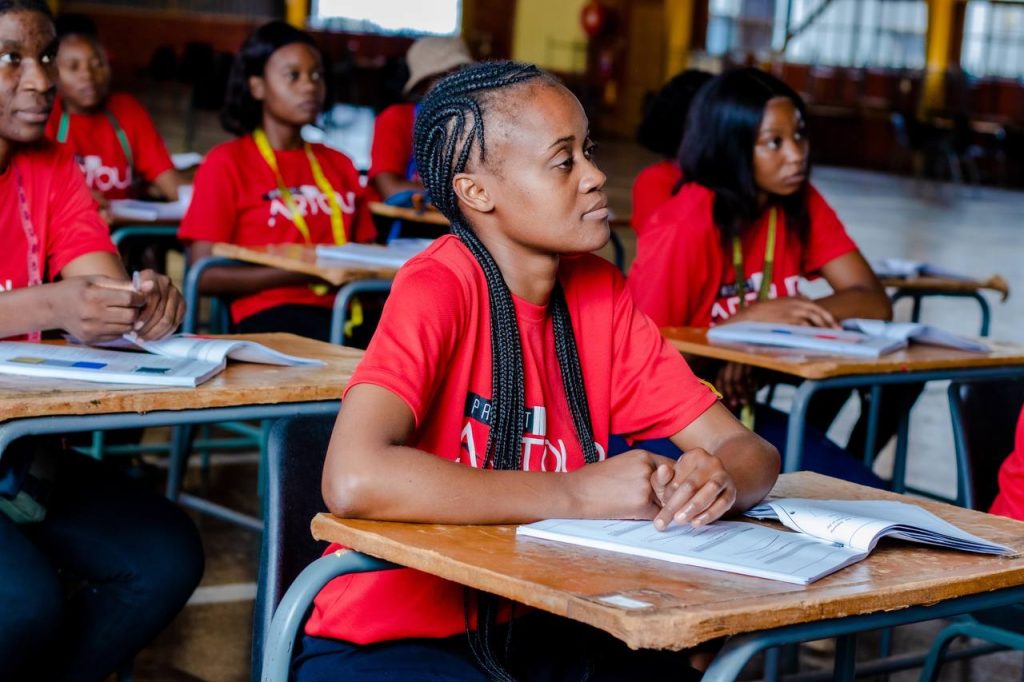

The project aims to equip young people around the City of Mbombela with marketable, sustainable workplace skills.
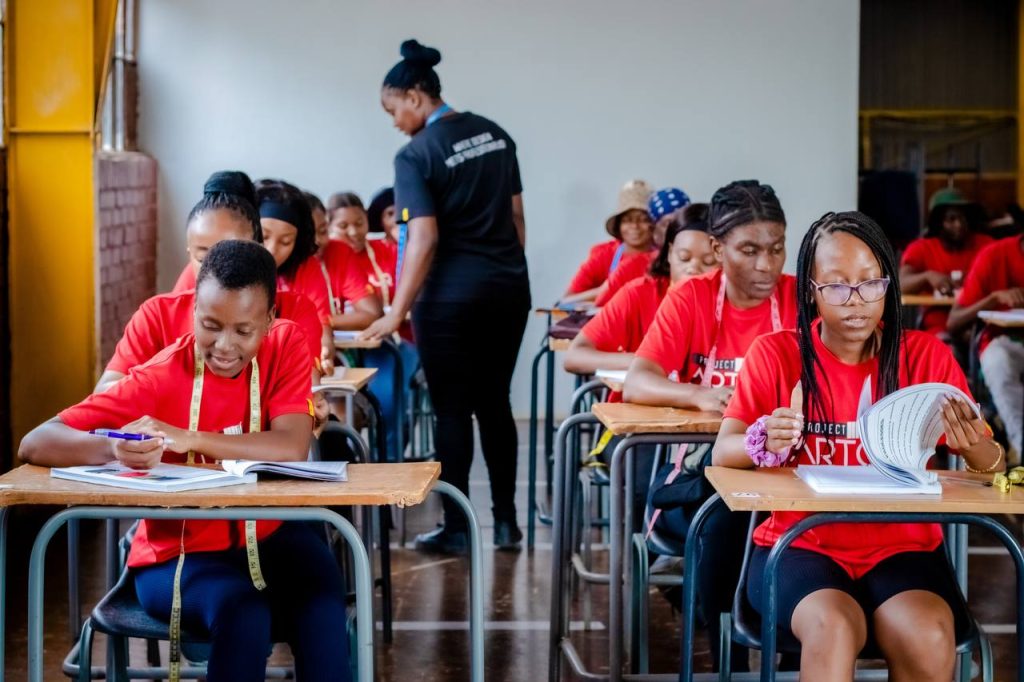
Striving for inclusive economic growth, the Masoyi-based Project Artour is making significant strides to empower previously disadvantaged women and youth across Mbombela.
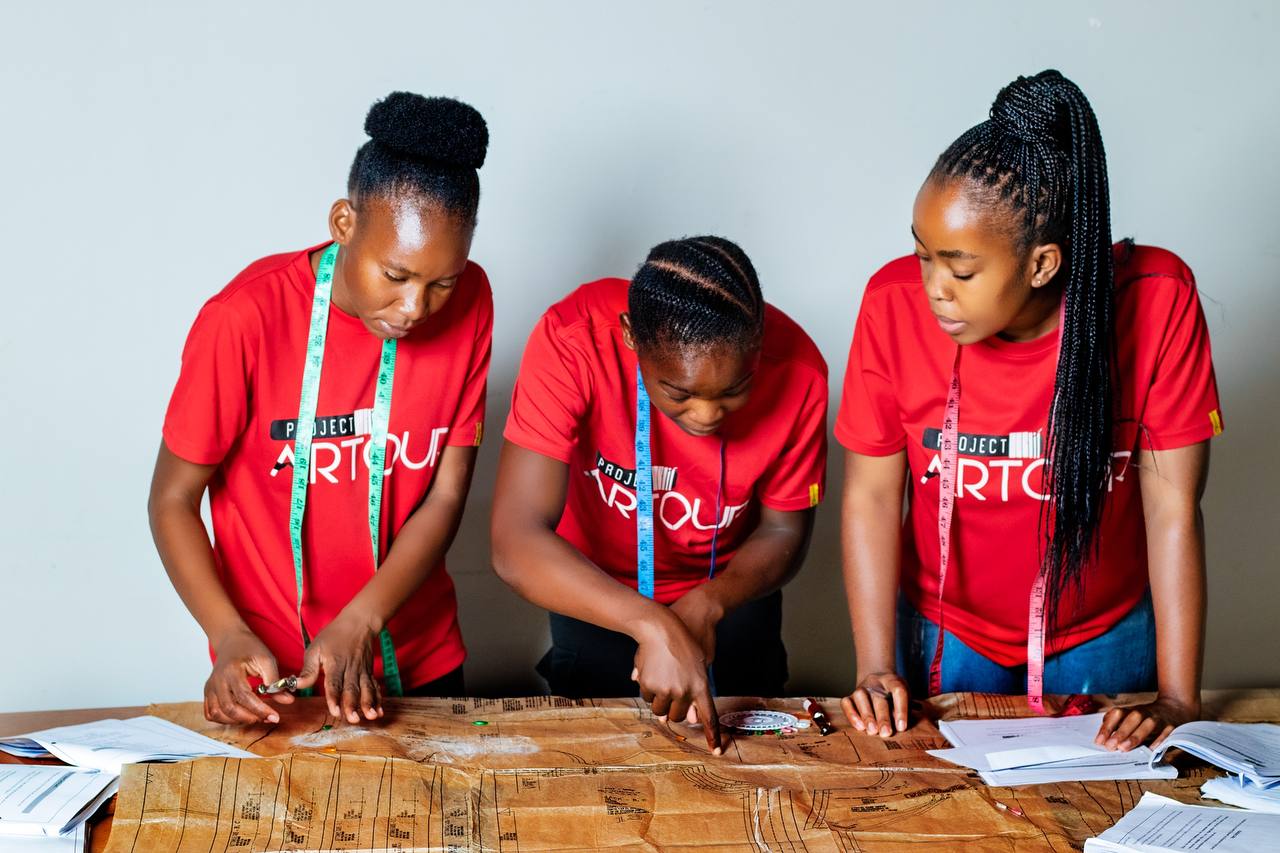
The organisation specialises in custom-made women’s wear, corporate uniforms, and skills training programmes that equip unemployed women and youth with hands-on fashion production experience.
It was established in 2020 and is accredited by the Fibre Processing & Manufacturing Sector Education and Training Authority (FP&M Seta).
According to the project co-ordinator Sfeziwe Mkhabela, the initiative seeks to bridge literacy gaps and equip participants with marketable, sustainable workplace skills. “We are addressing the persistent challenges facing emerging markets, such as the growth of SMMEs, illiteracy, unemployment and gender-based violence. This initiative empowers affected individuals to fulfil their dreams,” said Mkhabela.
She added that the organisation’s strength lies in its 100% black ownership and control. It boasts a team with varied skills and expertise, gained through their own empowerment journeys.
Upon completion of the programme, the students are supported with employment opportunities. Some are hired by Project Artour or through partnerships with other clothing producers, while others are equipped with a starter kit and sewing machine to enable them to establish their own businesses.
Mkhabela said the project’s core strategy relies on public-private partnerships with Setas to implement continuous training and development programmes. This involves a meticulous process of profiling and assessing individuals with no prior skills development and linking them to appropriate employment programmes.